Bedding · Sleep environment
Wool Mattress Toppers: How Natural Fibers Shape Sleep Comfort
A topper can change the first impression of a mattress without changing the support underneath. Wool brings a particular mix to that extra layer: gentle cushioning, moisture management, and a feel shaped by natural fiber rather than foam. Knowing how it is made—and what it can and cannot do—helps you decide whether it suits your bed, your climate, and your sleep preferences.
The quiet work of a topper
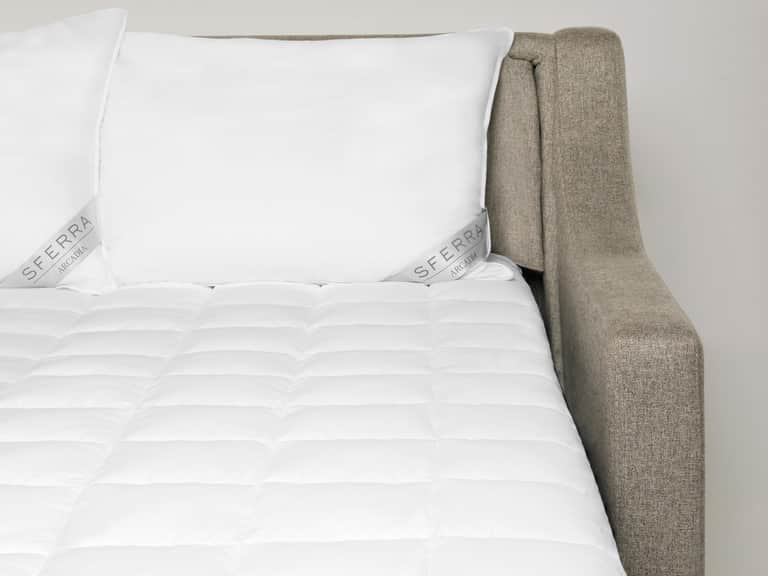
A mattress topper is a comfort layer placed between the mattress and the fitted sheet. It can soften a surface that feels too firm, add a little cushioning, or help protect the mattress from ordinary wear. It is not a substitute for a mattress whose support has failed. If the bed sags, slopes, or leaves you waking with persistent discomfort, a topper may disguise the problem briefly without correcting it.
Wool mattress toppers bring natural fibers into that thin but influential space. The wool batting creates a yielding layer that can make a firm surface feel more welcoming. At the same time, wool is known for taking up and releasing moisture, a quality that may help the sleep surface feel less clammy as conditions change overnight. The effect is subtle and personal: a topper does not control room temperature, and it cannot guarantee a cooler or warmer night for every sleeper.
That balance is part of wool’s appeal. It is not simply a plush material, nor is it a mechanical cooling device. Its character comes from the interaction of fiber, fill density, cover fabric, construction, bedding, and the person sleeping on it. A useful comparison begins with those details rather than with broad promises about “perfect” comfort.
Why wool feels different
Wool fibers have a naturally springy structure. In a topper, the batting can compress under the body and recover when pressure eases, creating a cushioned surface with a different response from dense foam. The feel is often described as soft or resilient, but wool products vary: fill amount, quilting pattern, fiber blend, and the weight of the cover all shape the result.
Wool is also hygroscopic, meaning it can absorb water vapor from its surroundings. In bedding, that capacity may help manage some of the moisture produced during sleep. It does not mean the topper remains dry under every condition, or that it can replace washing sheets, airing bedding, or addressing excessive perspiration. Rather, moisture behavior is one feature among several that can contribute to how a bed feels over the course of a night.
Temperature regulation is often discussed as wool’s signature benefit. The phrase can be misleading if it suggests that a topper actively cools a warm bedroom. Wool does not refrigerate the bed. Its insulating and moisture-managing characteristics may help moderate the feel of the layer, but room temperature, pajamas, blankets, mattress materials, humidity, and individual sensitivity remain important. Someone who sleeps hot may still prefer a thinner layer, a more breathable sheet, or changes to the bedroom environment.
For Chicago residents, seasonal shifts make the question especially practical. A bedroom in winter may feel very different from one in a humid summer spell. A wool layer can be considered as part of an adaptable bedding system, but it should not be treated as a replacement for sensible room ventilation, appropriate blankets, or attention to indoor humidity.
Wool compared with other topper materials
There is no universally best topper material. The right choice depends on what you want to change: surface softness, pressure feel, temperature experience, ease of cleaning, or the character of the materials in your bed. Comparing wool with other common mattress topper materials can clarify those priorities.
- Memory foam: Often chosen for close contouring and pressure relief. Its slower response can feel enveloping, though some sleepers find that sensation warm or restrictive. Product design and density make a substantial difference.
- Latex: Generally more buoyant and responsive than memory foam. Natural latex toppers can provide cushioning without the same slow-sinking feel, but latex has its own distinct firmness and bounce. People with a latex allergy should seek appropriate medical guidance and review product materials carefully.
- Down or down-alternative fill: These toppers can create a lofty, soft surface. Down alternative is usually a synthetic fill; natural down is an animal-derived fill. Loft, warmth, maintenance, and potential sensitivities vary by construction.
- Cotton: Cotton batting can provide a flatter, familiar layer. It is a natural fiber, though its cushioning and moisture behavior differ from wool, and the feel depends on the amount and arrangement of the fill.
- Wool: Offers resilient cushioning with natural moisture-management characteristics. It may suit people who want a fiber-filled layer and a less foam-like feel, provided the care requirements and warmth profile fit their household.
Material names alone do not settle the comparison. A thick wool topper may feel more substantial than a thin one; a densely quilted cover may change how the batting compresses; a blended fill may behave differently from a topper made entirely with wool. Read the construction details and, where possible, consider the product’s return or trial terms before making a decision.
Thickness, construction, and the feel of the bed
Thickness is one of the first specifications shoppers notice, but it should be interpreted alongside fill and construction. A thicker topper may add more cushioning, yet the stated measurement does not always tell you how the layer will feel after it is compressed under body weight. Fill weight, loft, quilting, and the topper’s ability to stay evenly distributed all matter.
Quilting or compartmentalized construction can help keep batting from shifting, though designs differ in how they achieve that. Look for information about seams, baffles, box construction, or other methods that secure the fill. Also check whether the topper uses corner straps, elastic, or another attachment system. A layer that creeps toward the edge or bunches beneath the sheet can undermine comfort, regardless of its material.
Fit is a practical detail with real consequences. Confirm the mattress dimensions and the topper’s dimensions before ordering. Measure mattress depth, including any existing pad or protector if those layers will remain in place. Ensure the fitted sheet can accommodate the combined height. A topper that makes the bed too tall for the sheet may pull loose or distort the surface.
It also helps to think about how much change you want. A thin layer may soften the initial feel without substantially altering the mattress’s character. A more generously filled topper can create a more noticeable cushion, but it may also change how easily you move or how supported you feel. If you share a bed, consider whether both sleepers want the same surface adjustment.
When a wool topper may make sense
A wool topper may be worth considering when a mattress is structurally sound but feels a little too firm, or when you want a natural-fiber comfort layer with some loft. It can also be an option for people who prefer a surface that feels cushioned without the slow response associated with some foams. Individual results vary, so material preference is best treated as a personal fit rather than a health outcome.
Wool may also appeal to people who value fiber composition and want to understand what is inside their bedding. In that case, check the label rather than relying on the product name. A “wool” topper might contain a wool blend, a wool fill inside a cotton cover, or a particular percentage of wool combined with other fibers. Ask whether the cover and fill are described separately, and look for clear information about sourcing and processing if those details matter to you.
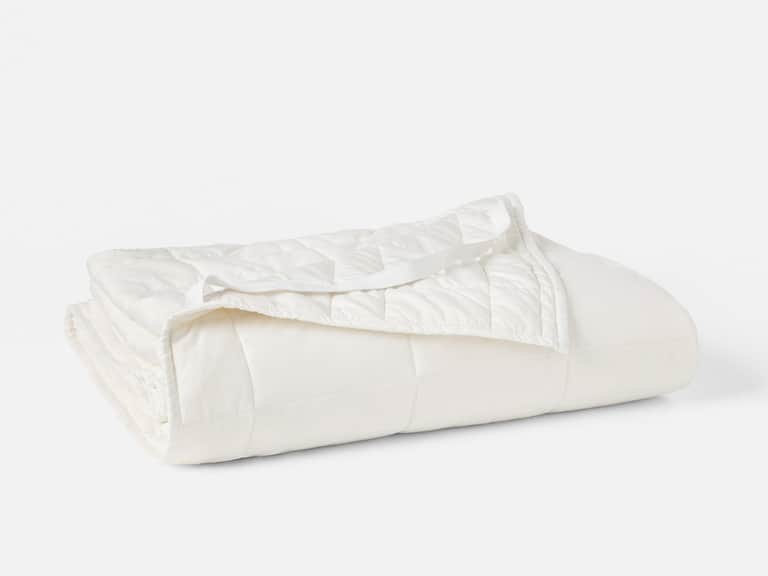
One example is the Washable Wool Filled Mattress Topper, described as a machine-washable wool-blend topper with plush batting, corner straps, and a 100% organic cotton sateen shell. The product description identifies the shell as organic cotton and the filling as a wool blend; those are distinct material details. Anyone considering it should still review current care instructions, sizing, and the exact fiber information provided with the item, especially if specific certifications or a particular wool percentage are important.
Wool is not automatically hypoallergenic for every person. Some people are sensitive to wool or to dust, detergents, and other components in bedding. A product description may use terms such as “hypoallergenic,” but that should not be interpreted as a guarantee against allergic reactions. If you have a known sensitivity, review the complete materials and consult a qualified clinician when needed.
Care: the label matters more than the fiber myth
Care is an important part of choosing a topper, and wool products are not all maintained in the same way. Some require professional cleaning or careful spot treatment; others are designed to be machine washable. Never assume that all wool can be washed in a home machine, or that a washable wool blend can be handled like a cotton sheet. Follow the care label for the finished product.
Before the first wash, check the permitted water temperature, cycle, detergent, drying method, and whether the topper must be washed in a machine with a particular capacity. A bulky topper may not move freely in a small washer. If the label calls for gentle handling, high heat or aggressive agitation can cause shrinkage, distortion, or damage to the fill and shell.
Routine care can often be simple even when washing is infrequent. Use a fitted sheet and, if appropriate for the construction, a separate mattress protector above the mattress. Air the bed periodically, address spills promptly according to instructions, and avoid storing a damp topper. These steps help keep the full bedding system fresh without subjecting a large textile layer to unnecessary laundering.
Care instructions also affect long-term convenience. If the topper will be used in a guest room, a child’s room, or a household where spills are likely, washability may carry more weight than it would in a carefully maintained adult bedroom. “Machine washable” is useful only when the washer, dryer, and product dimensions make that care routine practical.
Compatibility with your mattress and bedding
A topper sits on top of a mattress, so its success depends partly on what lies beneath it. On a stable innerspring mattress, wool can add a softer, fiber-filled surface while leaving the underlying coil support largely intact. On an older mattress with deep impressions, however, the topper will follow the shape beneath it. It cannot restore a level sleeping surface or repair worn springs.
With a latex or foam mattress, consider the combined feel and heat experience. Adding another layer changes the distance between the sleeper and the mattress core, and may alter how quickly the body settles into the bed. The result might be welcome or might feel less supportive. If the mattress is new, check the manufacturer’s guidance on toppers, protectors, and warranty conditions before adding layers.
Sheets are part of the same equation. A thicker topper requires a fitted sheet with sufficient pocket depth. A sheet stretched too tightly can compress the topper, pull away at corners, or create wrinkles. If the bed includes a mattress pad or waterproof protector, account for those layers when measuring. Keep the sheet smooth and secure, particularly where children or older adults use the bed.
For adjustable beds, verify that the topper can flex with the base without shifting or bunching. For a sofa bed or other convertible sleep surface, check that an added layer can be removed and stored as needed and will not interfere with folding mechanisms. Compatibility is not just a matter of comfort; it is about keeping the bed functional.
A practical checklist before buying
A few focused questions can make comparisons clearer than a long list of marketing claims. Before choosing among wool mattress toppers, consider:
- What problem am I trying to solve? Identify whether you want more surface softness, a different material feel, mattress protection, or easier temperature management.
- Is the mattress still supportive? A topper can adjust comfort; it cannot correct a sagging or damaged mattress.
- What is the fill, exactly? Check whether the topper is wool, a wool blend, or another fill, and look for the cover composition as well.
- How is the fill secured? Review quilting or compartment construction and the method used to keep the topper in place.
- What care can I realistically provide? Confirm washing and drying instructions before purchase, not after a spill.
- Will it fit my bed? Measure the mattress, consider its depth, and check sheet-pocket compatibility.
- What is the trial or return policy? A material’s feel is personal. Understand the conditions for testing and returning the item.
- Are claims specific and verifiable? Look for clear descriptions of fiber content, certifications, and care rather than relying on broad terms alone.
Natural bedding without the overpromises
Interest in natural bedding often reflects a wish to make more considered choices about the materials closest to the body. That is a reasonable starting point, but “natural” does not automatically mean safer, more durable, more comfortable, or better for every household. Fiber sourcing, processing, construction, maintenance, and personal sensitivity all deserve attention.
Certifications can help answer particular questions, but each certification has its own scope. If a claim about organic fiber or chemical standards is central to your decision, check which component is certified and verify the claim through the certifying organization or current product documentation. A cotton shell and a wool filling are separate materials; a statement about one should not be assumed to cover the other.
It is equally useful to keep expectations grounded. A wool topper may contribute to a pleasant, balanced-feeling bed. It is not a treatment for insomnia, allergies, chronic pain, or another medical condition. Persistent sleep difficulties or symptoms such as ongoing pain, breathing interruptions, or severe daytime sleepiness call for advice from an appropriate health professional rather than a bedding change alone.
The bottom line
Wool mattress toppers occupy a middle ground between the mattress’s support and the sleeper’s immediate sense of comfort. Their natural batting can add gentle cushioning, while wool’s moisture behavior may help shape how the sleep surface feels through changing conditions. Yet no fiber works in isolation: thickness, construction, cover, mattress condition, sheets, room climate, and care all influence the result.
Choose by the job you need the layer to do, not by a promise that one material will suit everyone. Check the fill and cover, confirm the fit, understand the washing instructions, and consider whether the mattress beneath is still doing its essential work. A thoughtful topper cannot transform every bed, but the right one can make a sound mattress feel more aligned with the way you want to sleep.