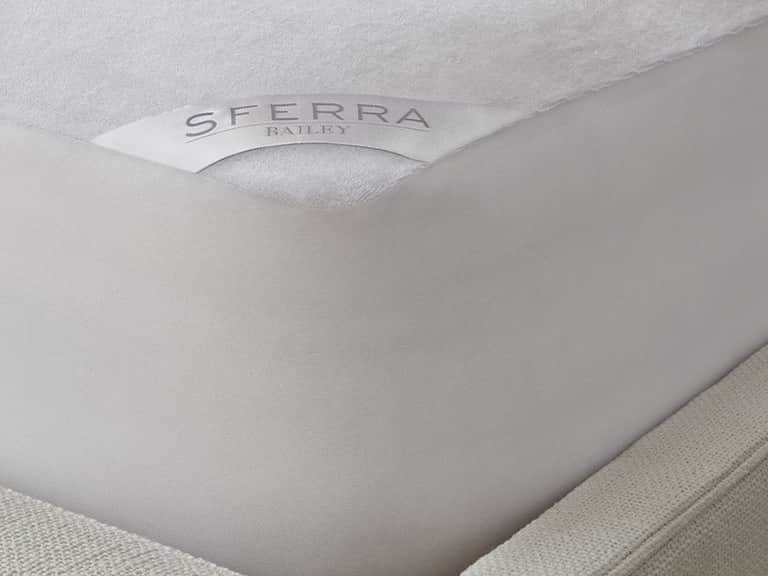
Bailey Mattress Protector
Sleep undisturbed with a soft cotton terry layer, waterproof protection, and snug elastic sides that fit up to 17" deep beds—washable, durable, and stays comfy without changing your mattress feel.
A Chicago-centric exploration of non-toxic sleep surfaces, certifications, and the urban realities that shape healthy choices. This is a resource for renters and homeowners alike who want clarity in a market crowded with claims and chemistry.
In Chicago’s compact living spaces—from high-rise apartments to vintage walk-ups—the air you breathe at night matters as much as the mattress you rest upon. The domain chicagomattress.org suggests a local focus on bedding, sleep health, and the built environment. This guide expands that focus: non-toxic materials, the certifications that back them, and how to navigate local availability in a city where urban humidity, seasonal extremes, and shared ventilation can influence both comfort and safety.
Non-toxic does not just mean no flame retardants or obvious chemical smells. It means materials that minimize volatile organic compounds (VOCs), reduce allergen exposure, and maintain a sleep surface that stays comfortable across seasons. The goals are clear: healthier indoor air, better sleep, and a city-ready guide to what to look for when you shop or research.
Understanding materials helps you read labels with confidence. Three core materials frequently appear in non-toxic mattresses:
Certifications often accompany these materials to verify claims. The most relevant in consumer bedding are GOTS (Global Organic Textile Standard) for textiles like organic cotton, GOLS (Global Organic Latex Standard) for latex, and MADE SAFE or similar standards that assess the absence of harmful chemicals. A reputable product will list certifications prominently and provide documentation upon request.
Local availability matters because it affects the ability to verify claims, access expert guidance, and return or exchange mattresses as needed. Chicago-area retailers and brands—whether you’re shopping directly or researching online—often provide product lines that emphasize organic or non-toxic materials. Look for:
When possible, seek brands that offer transparent supply chains and third-party testing results. In today’s market, you should be able to verify the claims without relying on marketing buzzwords alone.
Certification schemes act as guardrails for buyers, especially in a city where apartment living, shared walls, and seasonal humidity can amplify exposure to environmental factors. The most widely recognized standards include:
Practical tips for reading labels in Chicago stores or online catalogs:
To illuminate the topic, let’s meet three individuals who, across time periods, have helped shape how we think about healthier sleep environments. Each represents a different era in the broader story of non-toxic materials and consumer education.
Though best known for nursing, Nightingale’s advocacy for sanitation and clean indoor environments laid early groundwork for thinking about how a room’s air quality affects restful sleep. Her emphasis on hygiene and ventilation resonates with today’s concerns about VOCs, allergen exposure, and comfortable sleep spaces in urban dwellings.
A designer and educator who championed non-toxic, improved sleep surfaces in mid-century consumer culture. Hale’s work helped popularize the idea that a mattress is a long-term health choice, not just a comfort item, paving the way for later certification-driven standards and consumer education.
A Chicago-based sleep researcher who has explored urban sleep health, environment, and circadian wellness. Chen’s work connects city living, apartment acoustics, and respiratory health to sleep quality, offering an empirical bridge between non-toxic materials and real-world outcomes for Chicago residents.
These figures illustrate a continuum—from sanitation-era design principles to modern, evidence-based consumer guidance. The non-toxic mattress conversation today sits at the intersection of material science, public health, and local urban living, with Chicago as a living laboratory for how bedrooms and apartments influence sleep health.
The Bailey Mattress Protector, a product listed in The Clean Bedroom catalog, offers a practical lens on how a single component fits into a non-toxic sleep system. This cotton terry protector with a waterproof finish and elasticized sides is designed to shield a mattress without altering its feel. While not a full mattress, the protector demonstrates the importance of unobtrusive, low-toxicity layers in the sleep environment. It showcases how Chicago shoppers might approach even smaller buying decisions with non-toxic considerations in mind.
For readers of chicagomattress.org, the Bailey protector illustrates a broader principle: non-toxic choices extend beyond the core mattress to every sleeping layer, from protectors to toppers to bedding. In Chicago’s climate and urban living conditions, a well-chosen protector can contribute to a healthier sleep climate by managing moisture, reducing allergens, and preserving mattress longevity.
Note: If you’d like, I can curate a local, product-focused shopping list with certifications and local availability to help you assemble a non-toxic sleep system tailored to Chicago living.
Images of the Bailey Mattress Protector are provided as a visual reference to support this discussion. If you need product photography or additional product lines, I can embed image panels featuring the protector and other non-toxic accessories from Chicago-area retailers.
Non-toxic mattresses and sleep surfaces are more than marketing labels; they reflect a growing attention to how materials interact with indoor environments, especially in dense urban settings like Chicago. By prioritizing certifications, transparent material disclosures, and local access to guidance, Chicago residents can improve sleep quality, protect indoor air, and support a culture of informed consumer choice.
As the city’s nights grow longer in winter and shorter in the humidity of summer, a thoughtful approach to sleep health becomes not a luxury but a practical necessity. The local guide to non-toxic mattresses is, at its heart, a guide to better evenings and healthier days in Chicago—one mattress, one layer, one reader at a time.
This article is part of a local, educational initiative to provide evidence-based sleep resources for Chicago residents. For further exploration, consider a starter site map and an editorial calendar to structure ongoing coverage of non-toxic materials, local brands, and urban sleep health topics.