Comforters are insulating bedding layers designed to add warmth and softness over sheets and beneath a duvet cover or other top layer. Their warmth depends on fill material, fill weight, construction, and room temperature. Understanding these characteristics helps match a comforter to seasonal needs, personal sleep preferences, and the rest of the bedding.
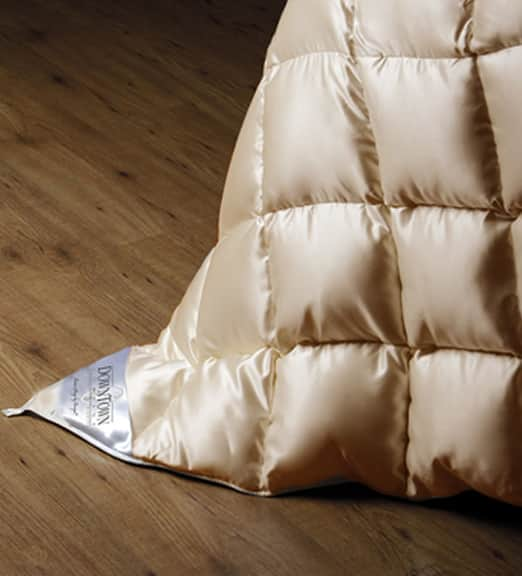
Common comforter fills include down, silk, wool, and synthetic fibers, each with different properties. Down is lightweight and resilient, while silk offers a smooth feel and breathable insulation. Stitching patterns help keep fill distributed evenly, reducing cold spots and supporting consistent coverage across the bed.
Choosing suitable bedding involves considering comforter size, fabric, care requirements, and how it works with pillows and sheets. Breathable materials can help manage warmth through the night, while a washable cover may simplify routine care. Product labels provide useful information about fill composition, cleaning, and recommended use.
The San Moritz Silk Comforter with Goose Down combines silk and goose down fills for a balance of breathable insulation and loft. Silk contributes a smooth, temperature-conscious layer, while goose down provides lightweight warmth. This construction is relevant for sleepers seeking substantial coverage without relying solely on dense or heavy bedding.
Comforters form one part of a broader sleep environment that can include bedding, pillows, sheets, and organic mattresses. Organic crib mattresses are designed for infant sleep surfaces and require appropriately sized, safe bedding; adult comforters are not suitable for crib use. Considering each item’s purpose supports practical, age-appropriate bedding choices.
 Bedding